A Year-Round Wildlife Spectacle
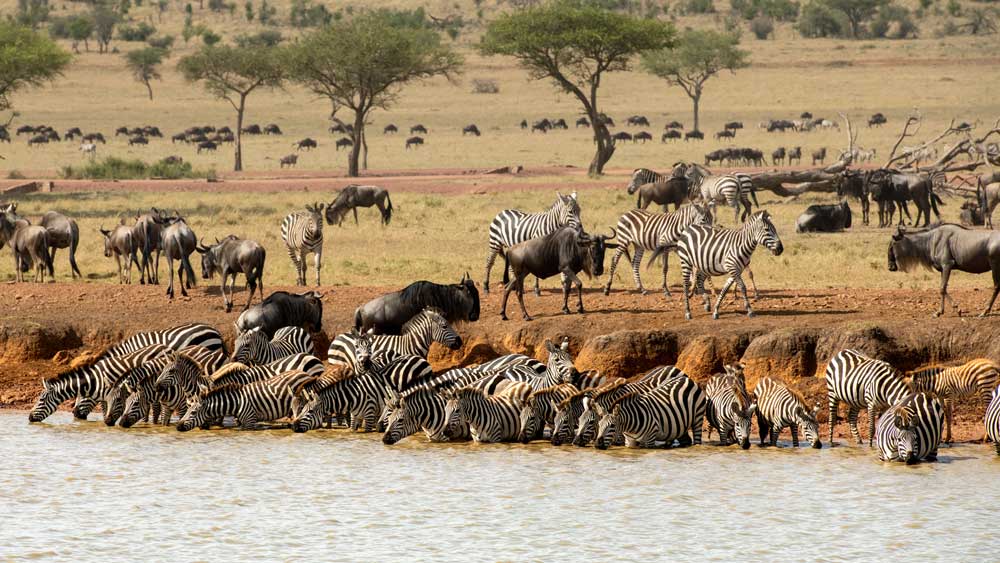
The Great Migration is one of the most breathtaking wildlife events on the planet, where over 1.5 million wildebeest, 400,000 zebra, and hundreds of thousands of other herbivores traverse the Serengeti-Mara ecosystem in search of fresh grazing. This annual cycle, which also features a host of predators tracking the herds, is a thrilling experience for any safari-goer and a must-see for those visiting East Africa.
Witnessing the Great Migration can be a highlight of any safari in Tanzania and Kenya, but it can also be overwhelming to plan due to its ever-moving nature. While maps and guides offer a general idea of the herds’ movements, the timing and direction are unpredictable and vary year by year, depending on rainfall patterns. The migration is a fluid event, and the herds can often change course based on where the rains fall, adding to the drama and excitement of this remarkable natural phenomenon.
The Yearly Cycle of the Great Migration
Calving Season (December to March):
By late November, the herds arrive in the southern Serengeti and Ndutu plains, where the short rains have turned the grasslands into lush, nutrient-rich feeding grounds. This is where the migration begins in earnest, as over 400,000 wildebeest calves are born in February within a span of just a few weeks. The calving season attracts large numbers of predators, including lions, cheetahs, and hyenas, all of whom lurk close to the herds, waiting for an opportune moment to strike. The vast plains of the southern Serengeti offer incredible predator-prey interactions during this time, making it a fantastic season for wildlife viewing.
The Trek North (April to June):
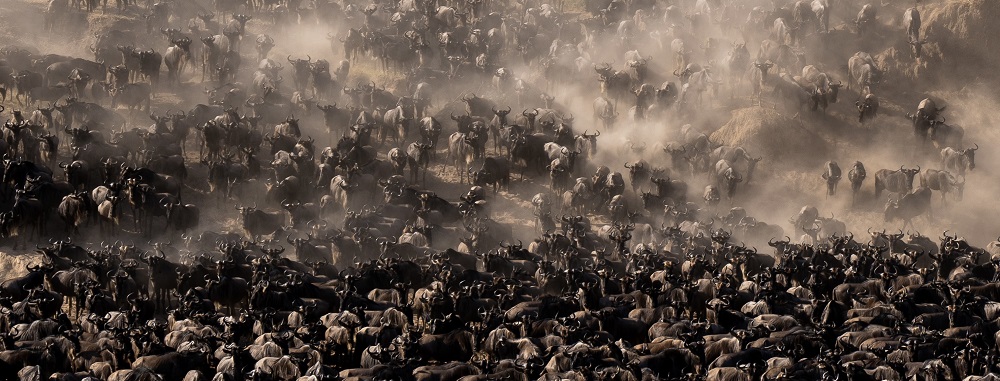
As the rains subside and the southern Serengeti begins to dry out, the herds start moving northward in search of fresh grazing. By May, the Serengeti is a sea of wildebeest, zebra, and gazelles, stretching across the plains as far as the eye can see. During this period, the herds are often found in the central Serengeti, near Moru Kopjes and Seronera. By June, they reach the western corridor, where they encounter the Grumeti River, the first major obstacle on their journey. The river is home to massive crocodiles, waiting for the wildebeest to make their move, although the crossings here are less dramatic than the Mara River crossings that follow later in the year.
River Crossings (July to September):
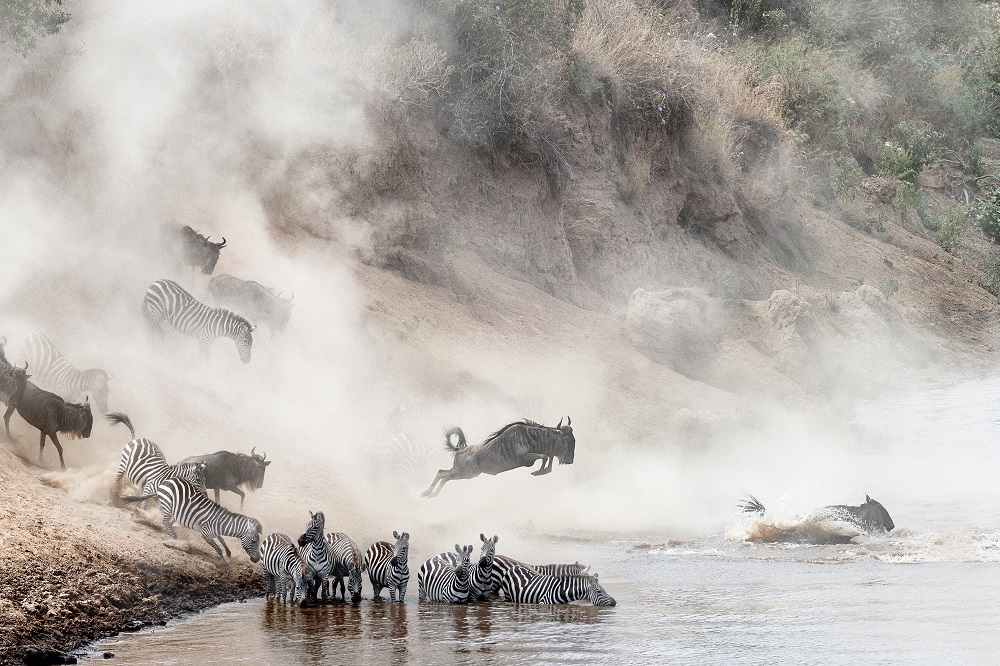
The highlight of the Great Migration for many visitors is the dramatic river crossings, particularly at the Mara River in the northern Serengeti and Kenya’s Maasai Mara. By July, the herds gather on the banks of the Mara River, preparing to make the treacherous crossing into the Maasai Mara. The scene is chaotic as thousands of wildebeest and zebra plunge into the crocodile-infested waters, desperate to reach the other side. The crossings continue through August and into September, with the herds moving back and forth across the river in search of greener pastures. This period is not only thrilling for its action-packed river crossings but also for the sheer number of animals that congregate in one area, making it a photographer’s dream.
The Return South (October to November):
As the short rains begin in the southern Serengeti, the herds start their journey back south. By October, the herds are moving in unison, retracing their steps through the Serengeti and returning to the lush short-grass plains that sprout with the arrival of the rains. The migration continues through November, and by December, the herds are back in the southern Serengeti, ready to start the cycle all over again.
Timing Your Visit to the Great Migration
The Great Migration is a year-round event, and you can witness different stages of the migration depending on the time of your visit. Timing is key, and it’s essential to know what part of the migration you want to see.
- December to March (Calving Season): The best time to witness the birth of wildebeest calves and predator action in the southern Serengeti and Ndutu plains.
- April to June (The Trek North): The herds move through the central and western Serengeti, offering incredible views of massive columns of wildebeest.
- July to September (River Crossings): The most dramatic phase of the migration, as the herds cross the Mara River into Kenya’s Maasai Mara.
- October to November (The Return South): The herds head back to the southern Serengeti, preparing for the next calving season.
The Ecological Impact of the Migration
Beyond the excitement of witnessing this extraordinary event, the Great Migration plays a critical role in maintaining the Serengeti-Mara ecosystem. As the herds move, they graze on the grasslands, fertilizing the soil with their droppings and keeping the ecosystem healthy. After the herds pass, dung beetles, birds, and other species benefit from the nutrients left behind, and the ecosystem regenerates with the arrival of the rains.
Final Thoughts
The Great Migration is one of the most extraordinary wildlife spectacles in the world. Whether you’re witnessing the birth of wildebeest calves in the southern Serengeti, the thrilling river crossings in the north, or the herds grazing on the plains, the migration offers an unforgettable safari experience. However, planning your trip requires careful timing, as the exact movements of the herds depend on the unpredictable rains. With the right preparation, the Great Migration is an experience that will leave you with lasting memories of Africa’s wild beauty.